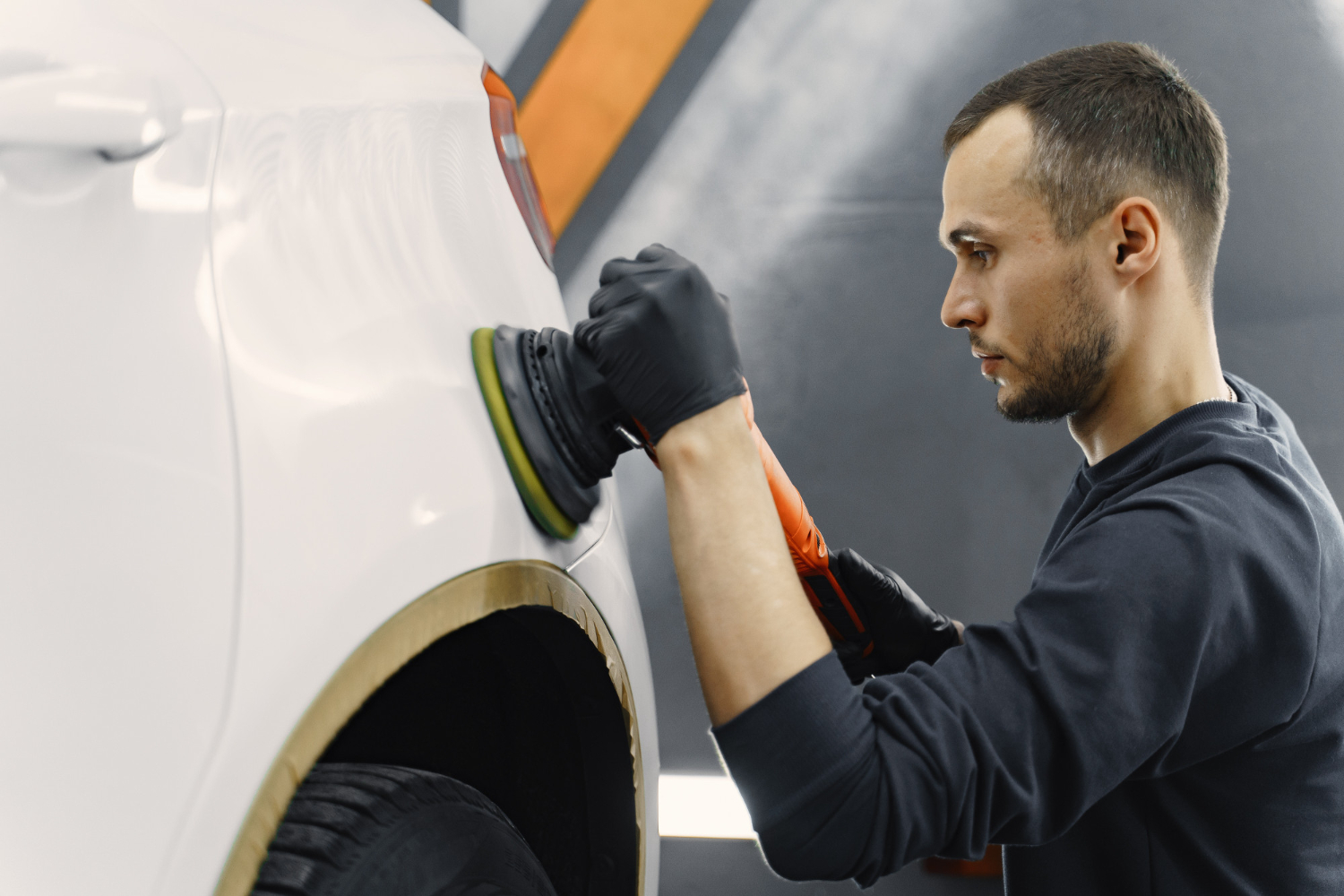
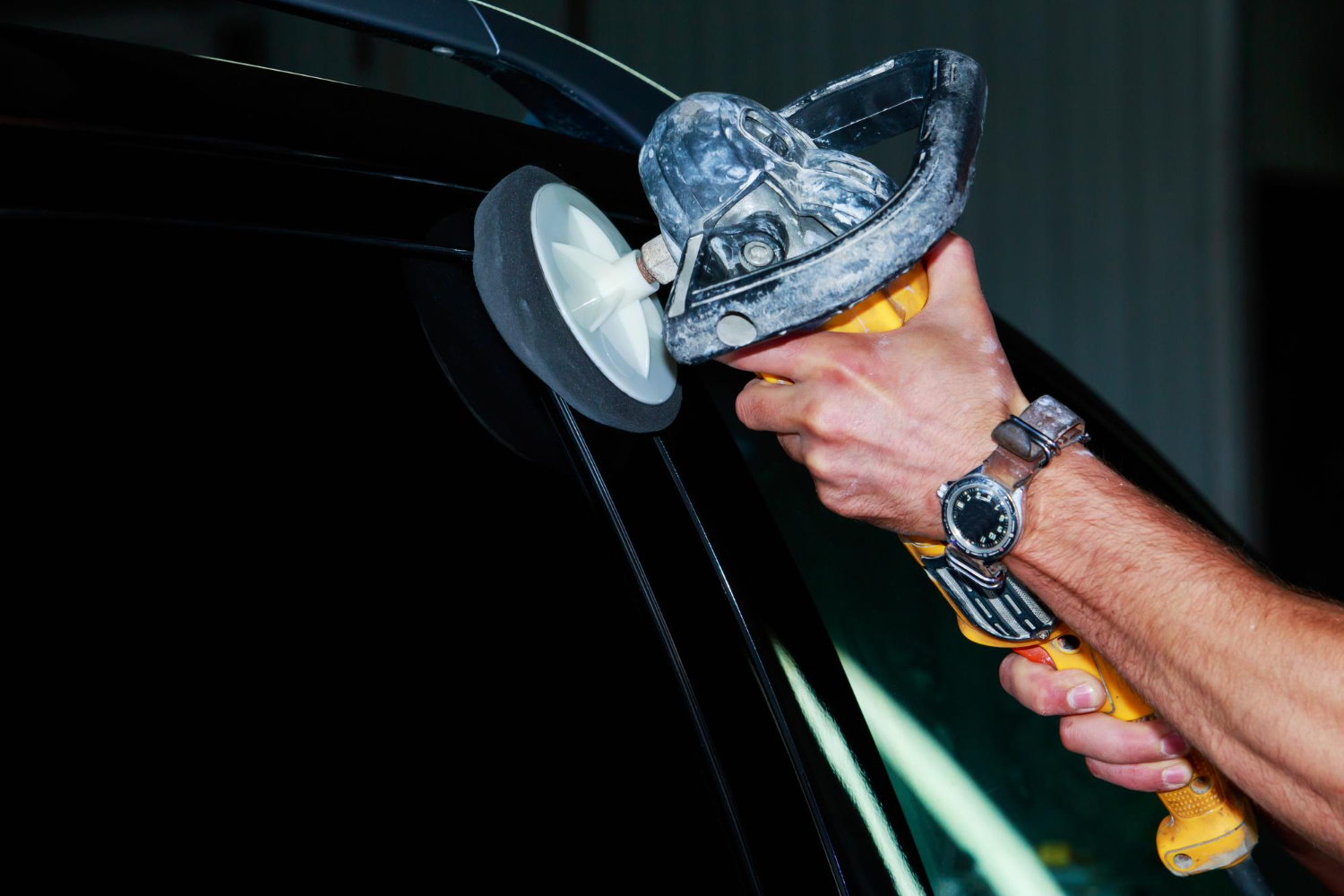
Many car owners get confused when they hear terms like ‘polishing’ and ‘paint correction’. Some shops use them as if they mean the same thing, but in professional detailing they are not identical. Understanding the difference will help you choose the right service and avoid disappointment.
Simple polishing is usually a light, fast process that focuses mainly on improving gloss. A technician might use an all-in-one polish with a soft pad to remove very light haze and oxidation. This treatment can make the paint look fresher and shinier, but it does not deeply remove real defects. Many automatic or cheap ‘buff and wax’ packages fall into this category.
True paint correction is a more complex and careful process aimed at permanently removing as many visible defects as safely possible. These defects include swirl marks, light scratches, holograms, water-spot etching, and oxidation. Correction is done in multiple steps – cutting, polishing, and finishing – with different pads and compounds. The goal is to level the clear coat around the defects so that they disappear or become much less noticeable.
Because paint correction removes a very thin layer of clear coat, it must be done by an experienced technician who understands paint hardness, thickness, and machine control. Done properly, it dramatically transforms the look of the vehicle. Done badly, it can create holograms, burn through edges, or weaken the clear coat too much.
You might choose a simple polish if your car is relatively new, has only minor haze, and you just want a quick improvement before selling it or returning a lease. It is a budget-friendly way to boost gloss without going all-in.
You should consider real paint correction when you love your car, plan to keep it, and the paint already shows clear swirl marks, light scratches, or heavy dullness. This is especially true for black and dark-colored cars, where every defect is visible. Paint correction is also the ideal preparation step before installing a ceramic coating or paint protection film, because it locks in a near-perfect finish under the protective layer.
If you are not sure what your car needs, the best way is to bring it in for inspection under proper lighting. We can measure the condition of your paint, show you the defects under lights, and explain whether a light polish is enough or if a full correction will give you the result you expect.