For decades car owners used wax to protect paint and add shine. Then ceramic coatings came along – promising years of protection, crazy gloss, and easy washing. Many drivers are now asking: do I still need wax, or should I upgrade to ceramic coating? Let’s break down the real differences in simple language.
Traditional wax sits on top of the clear coat as a soft protective layer. It gives the paint a nice warm glow and a bit of water beading. However, wax is not very strong. Heat, sun, road film, and strong shampoos remove it quickly. In real life, most waxes last a few weeks to a couple of months, especially in New York climate with rough winters and hot summers.
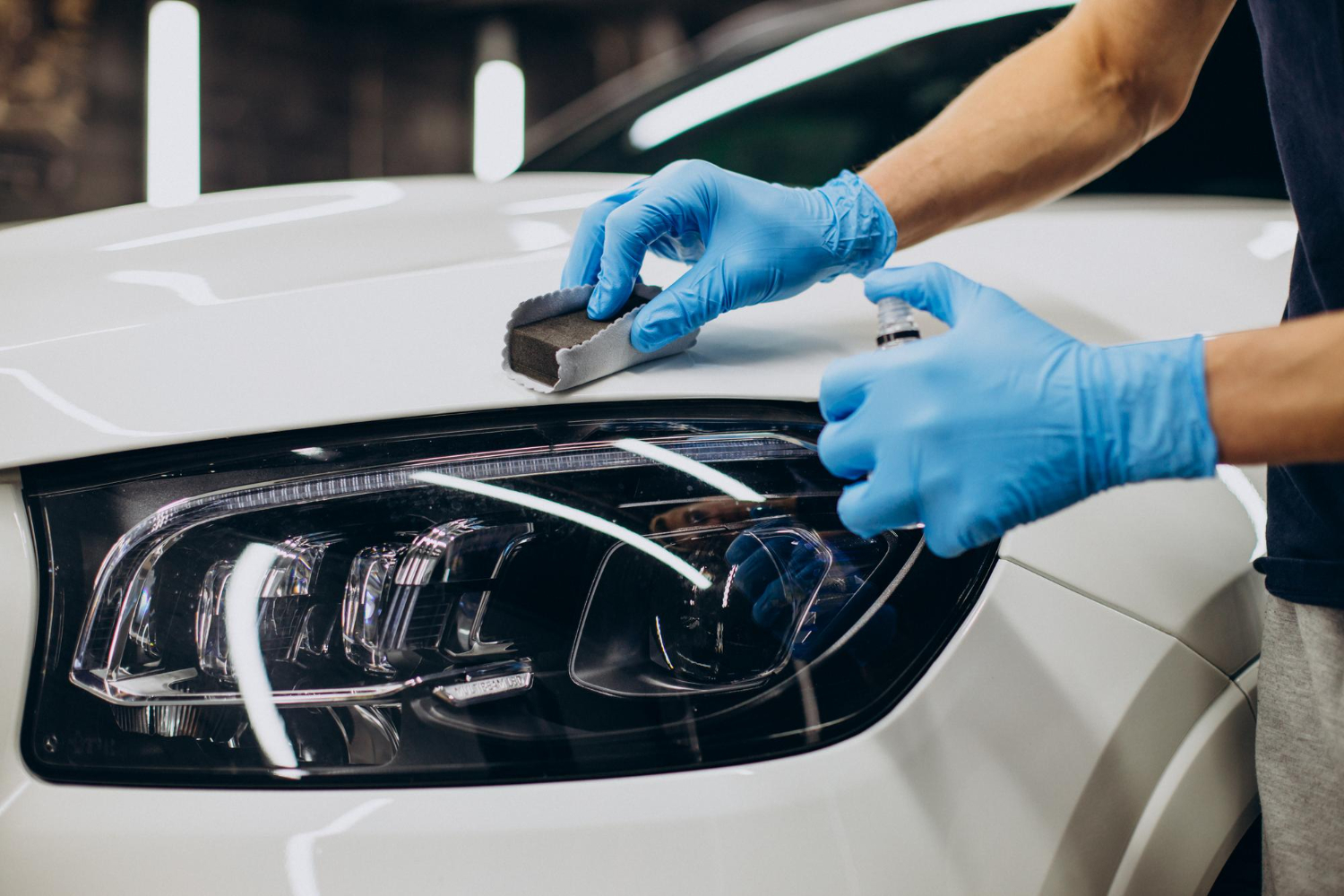
A ceramic coating is a liquid product based on silicon dioxide (SiO2) or similar technology that chemically bonds with your clear coat. When installed correctly on properly prepared paint, it creates a much harder, more durable protective layer. This layer is more resistant to chemicals, UV radiation, and everyday dirt. That is why quality coatings are measured in years, not weeks.
Wax gives your paint extra gloss and a bit of protection against light contamination. It can hide some very fine imperfections for a short time, but it does not stop swirl marks, scratches, or strong chemicals. Ceramic coating offers stronger gloss, deep reflections, and much better protection against UV, bird droppings, bug guts, and road film. It does not make your car scratch-proof, but it significantly slows down the visual aging of the paint.
One of the biggest practical benefits of ceramic coating is easy maintenance. Coated cars stay cleaner for longer because dirt doesn’t bond as strongly to the surface. When you wash the car, contamination comes off more easily. Drying is faster because water sheets and beads off. Over years, this saves you time, effort, and money on detailing.
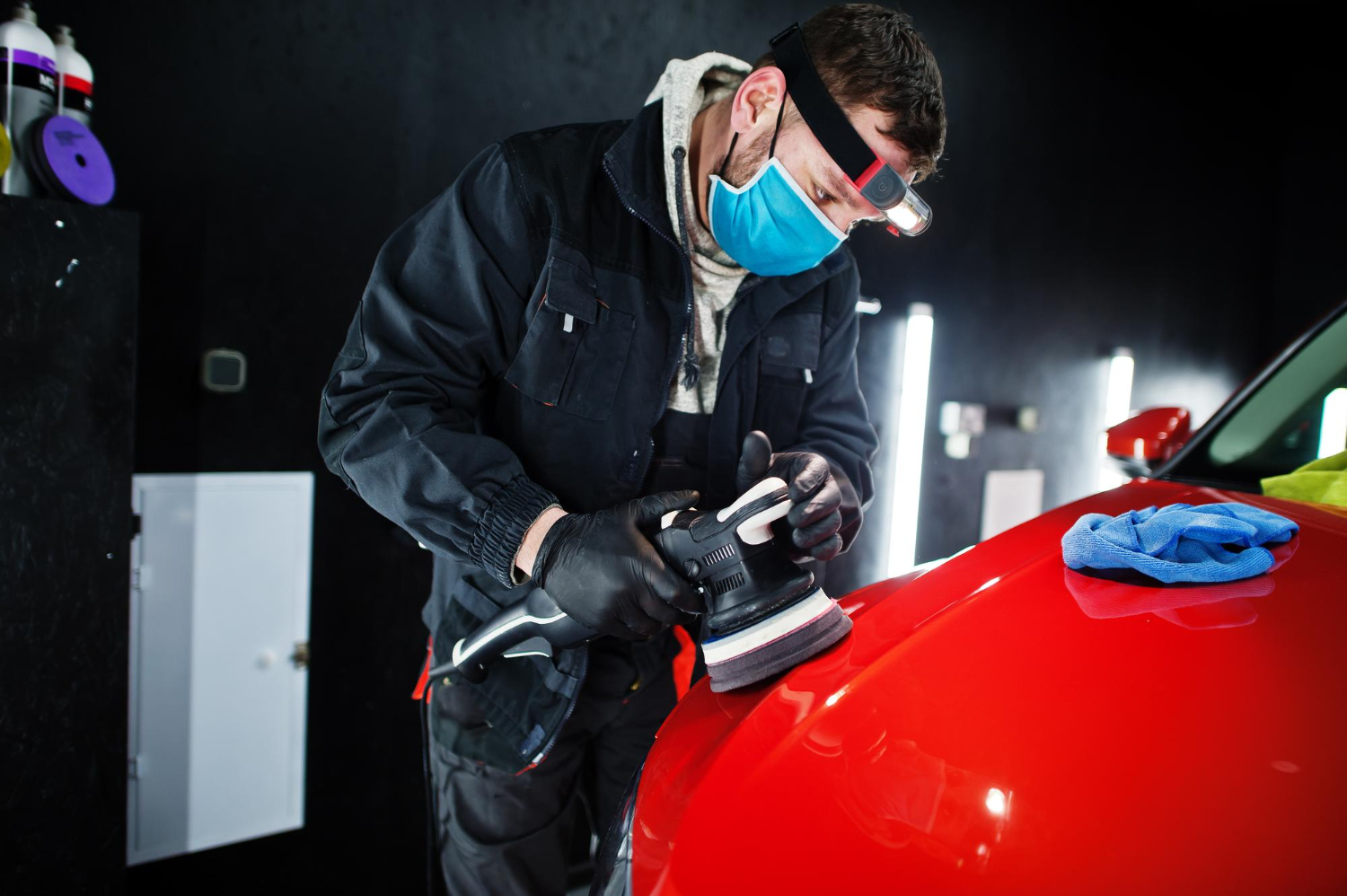
A proper ceramic coating installation usually includes paint correction to remove or reduce existing swirls and defects, then full decontamination, and finally careful application of the coating in a clean environment. It takes hours of work by a trained technician and uses high-quality materials. Wax can be applied much faster and cheaper, which is why the price difference is noticeable.
For a daily driver that you plan to keep for several years, ceramic coating is often the smarter investment. You pay more upfront, but you get long-term protection, better appearance, and easier washing. Wax still has its place – for budget projects, for older cars where full correction is not needed, or as a quick temporary gloss boost. But for a modern car that you want to protect properly, ceramic coating is usually the better long-term choice.
If you are trying to decide between wax and ceramic coating for your car, think about how long you plan to keep the vehicle, how often you wash it, and how much you care about the look. We can inspect your paint, discuss your goals, and recommend the option that makes the most sense for your daily driver.